Gardening Palmers Green — Recycling and Sustainability
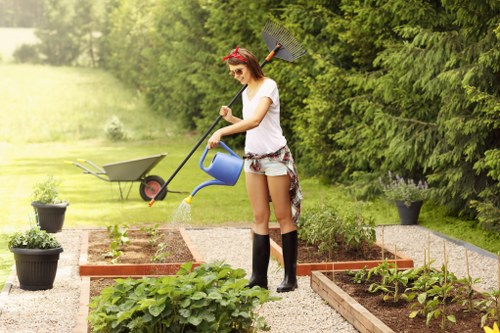 Gardening Palmers Green is committed to creating an eco-friendly waste disposal area and a truly sustainable rubbish gardening area across the neighbourhood. Our community-led approach brings together residents, allotment holders and local organisations to reduce landfill, increase reuse and support greener gardening practices. This page outlines our targets, local facilities, charity partnerships and low-carbon transport plans — all designed to make Palmers Green a model for urban gardening sustainability.
We celebrate small changes that add up: dedicated green waste collections for garden clippings, community composting hubs, and clear recycling points for glass, paper, card, plastic and metal. Separation at source is central: by keeping food waste, garden waste and dry recycling apart we increase capture rates and support high-quality recycling streams that can be used for soil improvements and organic recycling projects in the borough.
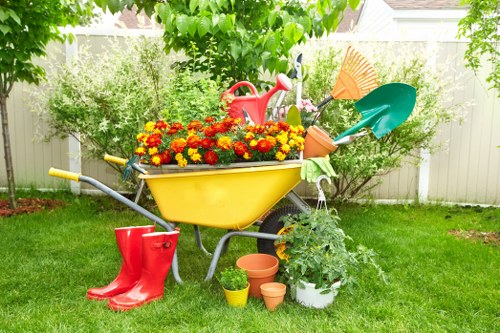 What we accept and prioritise in our eco-friendly waste disposal area:
- Garden and green waste for composting and mulching
- Food waste separated for anaerobic digestion or local compost hubs
- Paper, card, glass, plastics (widely recyclable types) and metal tins
- Bulky items and timber for reuse, repair or specialist recycling
Local transfer stations and circular infrastructure
Our work connects directly with nearby facilities and the wider North London systems. We coordinate collections and drop-off arrangements with local transfer stations such as Edmonton EcoPark and other North London Waste Authority-supported sites. These facilities sort, process and where possible redirect materials back into the circular economy instead of sending them to landfill. How the borough supports separation: the London Borough of Enfield (covering Palmers Green) promotes separate food and dry recycling streams, and operates subscription garden waste services alongside communal recycling points. Aligning our gardening recycling area with these municipal systems reduces contamination, increases recycling rates and helps generate useful outputs — from compost for community plots to recovered materials for manufacture.
Partnerships with charities and reuse networks
We work with local and national charities to keep useful items in circulation and out of the waste stream. Partnerships include reuse programmes with charities that accept furniture, tools and household goods, collaborative community swap events, and donations to charity shops. These links create reliable routes for bulky waste and usable materials to be repurposed rather than disposed.Our sustainable rubbish gardening area promotes reuse in practical ways: tool libraries, communal seed and plant exchanges, and coordinated pickups for items that can be repaired or repurposed. Repair, reuse and redistribution reduce the need for new purchases, lower embodied carbon and support local social enterprises. We also map local collection points so residents can make conscious choices about where to take things like soil-less potting mix, treated timber or large plastic containers.
 Low-carbon collections and transport: To minimise the carbon footprint of waste logistics we are introducing a fleet of low-carbon vans and micro-vehicles. This includes electric vans for scheduled green waste rounds, hybrid vehicles for bulk collections and cargo bikes for last-mile drop-offs in the busiest streets. Our goal is to electrify the Gardening Palmers Green fleet where feasible and to prioritise low-emission vehicles for frequent, short-distance routes.
 Recycling target and progress monitoring: We have set an ambitious community target: reach a 70% recycling and reuse rate across gardening-related waste streams by 2030, with interim milestones to track progress. Key metrics include the percentage of green waste composted locally, rates of dry recycling capture, and reductions in residual rubbish generated per household. Regular audits and transparent reporting will ensure we hit our targets and continuously improve the neighbourhood eco-friendly waste disposal area.
To support these goals we prioritise education campaigns (aligned with the borough’s guidance on separation), pilot projects with local allotments and community gardens, and funding bids for infrastructure such as communal compost bays and improved recycling signage. Strong collaboration with the North London Waste Authority, local councils and charity partners underpins every initiative.
Measuring success:
- Target: 70% recycling and reuse by 2030 for garden-associated waste
- Interim: 50% by 2026, and a 30% reduction in residual garden waste per household by 2028
- Deliverables: community compost hubs, low-carbon collection fleet and formal charity reuse pathways
Gardening Palmers Green remains committed to building an enduring, low-carbon and circular approach to garden waste and sustainable rubbish gardening areas. By working with local transfer stations, charity partners and introducing low-emission collection vehicles, we can reduce landfill, enhance local soils and ensure that useful materials stay in circulation for the benefit of the whole community.
Join the conversation in community forums and events to learn about new drop-off points, volunteer-led composting and opportunities to support our recycling percentage target — together we can make Palmers Green greener and more sustainable.