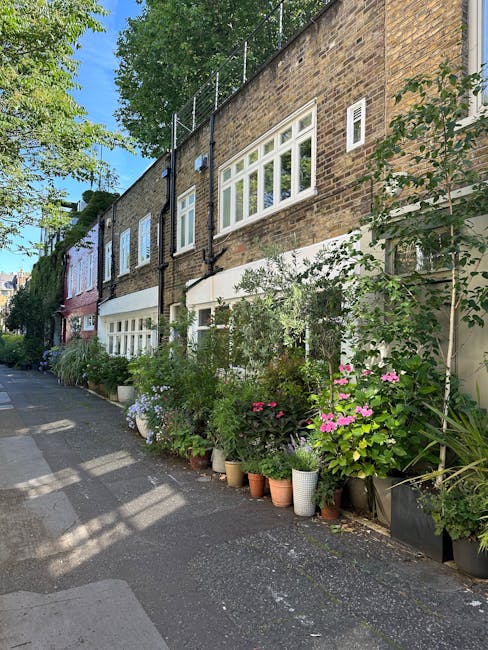
Green Lanes front garden guide for local gardeners

If you live near Green Lanes and your front garden has started to feel a bit tired, cluttered, or awkward to manage, you are not alone. Front gardens in busy North London streets have a lot to deal with: shade from neighbouring buildings, compacted soil, road dust, limited space, and the simple reality that people walk past them every day. This Green Lanes front garden guide for local gardeners is designed to help you make better decisions, whether you want a neat low-maintenance space, a welcoming planting scheme, or a front garden that looks good all year without eating up your weekends.
Truth be told, front gardens do a lot of heavy lifting. They shape first impressions, soften hard paving, and can make a terraced house feel calmer before you even reach the doorstep. The good news? You do not need a grand budget or a horticultural degree. You need a clear plan, the right plants, and a sensible approach to local conditions. Let's get into it.
Why Green Lanes front garden guide for local gardeners Matters
Front gardens in the Green Lanes area sit at the intersection of appearance, practicality, and everyday use. They are not just decorative. They can influence drainage, privacy, biodiversity, and how easy your property is to look after from week to week. A well-planned front garden also helps a house feel more settled, which is no small thing on a street where people are coming and going all day.
Local gardeners know the area has its quirks. Some plots get strong sun in the morning and deep shade by late afternoon. Others are exposed to traffic, draughts, or the occasional pigeon that seems to think it owns the place. That means generic gardening advice only gets you so far. A front garden guide tailored to this kind of setting matters because it helps you choose solutions that actually work in real life, not just in a glossy magazine spread.
There is also a maintenance angle. Many homeowners want a front garden that looks tidy without requiring constant attention. That is fair enough. In a place like Green Lanes, where life is busy and pavement space can be tight, the best front gardens tend to balance structure with resilience. A little planning goes a long way.
Practical takeaway: the best front gardens near Green Lanes are usually the ones that are simple to maintain, suited to shade and urban conditions, and designed with traffic, sightlines, and drainage in mind.
How Green Lanes front garden guide for local gardeners Works
This guide works by breaking the front garden into manageable decisions rather than treating it as one huge project. Start with the site conditions, then decide on function, then choose the planting and hard landscaping. That sequence matters. If you pick plants first and think about the space later, you often end up reworking things a year down the line. And nobody wants that.
Here is the basic logic:
- Assess the space: note sunlight, shade, soil quality, width, access, and drainage.
- Set the purpose: decide whether the garden is mainly for curb appeal, wildlife, privacy, storage, or low maintenance.
- Choose a style: formal, naturalistic, cottage-inspired, contemporary, or a neat mixed approach.
- Build the structure: paths, edging, low walls, paving, and container placement.
- Pick plants to match conditions: especially hardy, urban-tolerant, and visually consistent varieties.
- Plan the upkeep: think about watering, pruning, sweeping, and seasonal refreshes.
That is the part many people skip. They focus on the flowers and forget the bones of the garden. But in a small front space, structure is what keeps everything looking intentional rather than a bit thrown together.
In practice, a front garden design near Green Lanes often needs to handle more than one job at once. A narrow bed might need to screen bins, a path may need to stay slip-resistant in wet weather, and planting may need to soften a brick facade without blocking light to the inside of the house. Little details, big difference.
Key Benefits and Practical Advantages
A good front garden gives you more than visual appeal. The benefits show up in small ways every day, which is why they are easy to underestimate.
Better first impression
A tidy, well-composed front garden immediately lifts the look of a property. Even a modest terrace can feel more cared for with the right planting, clean edges, and a clear path to the door. That is especially useful on streets where the house frontage is visible from several angles.
Less maintenance stress
One of the biggest wins is reducing ongoing work. Using evergreen structure, mulch, and durable plants means less constant replanting. If you are the sort of person who looks out of the window and thinks, "I really should sort that," this helps a lot.
Improved drainage and tidiness
Front gardens can help manage rainwater if you avoid over-paving and leave some permeable planting areas. They can also reduce mud tracking into the hall, which sounds minor until it is winter and everyone is treading it through the hallway.
More seasonal interest
With the right mix of shrubs, perennials, bulbs, and perhaps a climber, you can have something happening across the year. Not all at once, just enough to keep the space from going flat in February.
Better biodiversity
Even a small front garden can support pollinators, birds, and beneficial insects if it includes nectar-rich planting, shelter, and a little variety. No need to turn the place into a wilderness. A balanced approach is often more successful anyway.
Stronger personal enjoyment
Let's face it, stepping out to a front garden that feels calm and looked after makes daily life nicer. You notice it on the way to the post box, while unlocking the bike, or when the morning light hits the leaves. It adds a little ease to the day.
Who This Is For and When It Makes Sense
This guide is useful if you fall into any of these groups:
- Homeowners who want a better-looking front garden without creating extra work.
- Local gardeners looking for planting ideas that suit urban North London conditions.
- Landlords and property managers who need a front garden that stays presentable and safe.
- New movers who have inherited a patchy or overgrown frontage and do not know where to begin.
- Older residents who want practical, manageable planting rather than a high-maintenance display.
It also makes sense if your front garden currently has one or more of these issues:
- patchy lawn that never really improves
- too much paving and not enough planting
- shady areas where everything struggles
- overgrown shrubs blocking windows or paths
- exposed soil that turns muddy in wet weather
- no clear design, just a collection of random plants and pots
If that sounds familiar, do not worry. Most front gardens are not ruined; they are just underplanned. There is a difference.
Step-by-Step Guidance
Here is a practical way to tackle a front garden on or near Green Lanes without getting overwhelmed.
1. Walk the space at different times of day
Look at the garden in the morning, around midday, and later in the afternoon if you can. Watch where the light falls. Notice damp patches, draughty corners, and whether the path gets slippery after rain. A quick five-minute look is often enough to show you the weak points.
2. Measure the usable area
You do not need a full survey, just a reliable sense of size. Measure the width of the bed, the length of the path, and any sections that have to remain clear for access. Front gardens are often smaller than they first appear because doors, gates, bins, and steps take up more room than you expect.
3. Decide on the main job of the garden
Ask yourself: is the garden mainly for looks, privacy, low upkeep, pollinators, or storage screening? You can combine several goals, but one should lead. Otherwise, the design gets muddy fast. A front garden trying to do everything usually ends up doing nothing especially well.
4. Improve the soil before planting
Many urban front gardens have compacted or tired soil. If the ground is hard and thin, loosen it, remove debris, and add organic matter where suitable. If the area is heavily built over, raised beds or larger containers may be the smarter option. This is one of those dull-but-important steps that pays off later.
5. Choose a structure first
Think about the backdrop: low hedging, an evergreen shrub, simple edging, or a neat line of containers. Structure gives the garden a shape through the year, even when flowers are not doing much. A good framework keeps the place looking deliberate in January as well as June.
6. Select planting for your actual conditions
Match plants to the site, not to the fantasy version in your head. For shady front gardens, look for shade-tolerant foliage plants and spring bulbs. For sunny spots, choose plants that cope well with heat and dry spells. If you are not sure, start with a smaller palette of reliable plants rather than trying ten different types at once.
7. Add finishing touches
Use mulch, clean edging, a few containers, or a simple seat if space allows. Keep the details restrained. A front garden is not the place to cram every idea you have ever liked on Pinterest. Sorry, but it just isn't.
8. Set up a maintenance rhythm
Make a light schedule for deadheading, trimming, sweeping, and watering. A front garden looks best when small jobs are done little and often. In other words, ten minutes on a Sunday can save a bigger repair job later on.
Expert Tips for Better Results
Here are the small things that tend to make the biggest difference.
- Use repetition: repeating two or three plants creates calm and unity, especially in narrow front gardens.
- Choose evergreen bones: evergreen shrubs or structure plants stop the space from collapsing visually in winter.
- Leave room to breathe: crowded planting looks good for about a month, then it becomes a chore.
- Think in layers: ground cover, mid-height planting, and one taller feature element usually work better than a flat line of random pots.
- Protect paths: if visitors or deliveries cut through the same route regularly, keep that route clear and well lit.
- Use containers deliberately: one large container often looks more elegant than five small ones scattered about.
A useful local trick is to use texture more than colour in the front garden. Brick, stone, leaves, bark, and evergreen foliage tend to hold up better through the seasons than a scheme built only on flowers. Flowers are lovely, of course, but the texture keeps things interesting when the blooms are done.
If the frontage is very exposed, go for plants that can handle a bit of wind and urban grit. You will thank yourself later, probably on a cold wet evening when the garden is still standing and not flattened.
Also, do not underestimate how much better a front garden feels after a proper tidy edge. A crisp border line can make an average planting scheme look twice as intentional. Weirdly satisfying too.
Common Mistakes to Avoid
Most front garden problems come from a handful of predictable mistakes. The good news is that they are easy to avoid once you know what to watch for.
Planting too much, too close together
It is tempting to fill every inch, especially when a garden feels unfinished. But overcrowding causes poor airflow, more pruning, and plants competing for light. Leave space for growth. They will need it.
Ignoring shade and root competition
Front gardens close to mature trees, walls, or neighbouring buildings often suffer from dry shade. If you ignore that and plant sun-lovers in the wrong spot, the result is usually disappointment and replanting. Again.
Over-paving the space
Too much hard surface can make a front garden look sterile and can reduce planting opportunities. A small balance of permeable or planted space often feels much warmer and more practical.
Choosing high-maintenance plants by accident
Some plants look elegant in the nursery but demand more care than most front gardens can realistically give. If the garden is highly visible and you do not want weekly attention, be cautious with anything fussy.
Forgetting the view from inside the house
Good front gardens are seen from the street and from the window. If you only design for the outside, you may end up with a frontage that looks fine on the pavement but awkward from your living room. It happens all the time.
Neglecting seasonal change
A front garden that looks great in June but dull in November is only doing half the job. Aim for a mix of structure, foliage, and long-lasting plants so the space stays coherent across the year.
Tools, Resources and Recommendations
You do not need a huge kit list, but the right basics make the job easier and safer.
- Hand trowel and hand fork: for planting and light soil work.
- Bypass secateurs: cleaner cuts on live stems and small branches.
- Spade or border fork: useful for renovating beds or lifting compacted soil.
- Wheelbarrow or rubble tub: handy for clearing debris, compost, or old plants.
- Garden gloves: not glamorous, very useful.
- Hose, watering can, or irrigation setup: especially important for new planting.
- Mulch or compost: helps soil retain moisture and reduces weeds.
For practical support, it can help to work with a local gardening service that understands London front gardens, seasonal pressure, and the realities of small spaces. If you are comparing options, review the services overview first so you can see what is covered, then check the pricing and quotes page for the next step.
If you are curious about how a provider approaches sustainability, waste handling, and responsible green waste disposal, the recycling and sustainability page is worth a look. It is one of those details people often forget, until there is a pile of cuttings to move. Then it becomes very relevant, very quickly.
You can also learn more about the team through the about us page, and if you want to get in touch directly, use the contact page. For service and transaction confidence, the payment and security and insurance and safety pages are helpful reading too.
Law, Compliance, Standards, or Best Practice
Front gardens are usually straightforward, but there are still a few practical rules and good-practice points to keep in mind. This is less about red tape and more about avoiding problems.
Access and safety: keep steps, paths, and entrances clear, well maintained, and safe to use. If your garden is visible from the street, avoid creating hazards with loose paving, overhanging plants, or awkward trip points. A neat layout is not just prettier; it is safer.
Boundary awareness: if you share boundaries with neighbours, be careful when pruning or altering structures. Tidy communication saves awkward conversations later.
Waste disposal: dispose of garden waste responsibly and avoid fly-tipping or dumping clippings in communal areas. If you are hiring help, ask how green waste is handled. A good provider should be clear on that.
Working practices: if you employ someone to carry out gardening work, it is sensible to check basic insurance and health and safety arrangements. The goal is not to be difficult. It is simply sensible, especially if ladders, tools, or heavy materials are involved.
For reassurance on how a company handles these matters, you can review the health and safety policy, the insurance and safety information, and the terms and conditions. If you care about broader values, the modern slavery statement may also matter to you as part of supplier due diligence. Different people notice different things; all of it has a place.
It is also sensible to understand how data and browsing are handled when using a website. The privacy policy and cookie policy give you that context, while the accessibility statement shows how the site tries to stay usable for more people. That matters more than many businesses admit, to be fair.
Options, Methods, or Comparison Table
Choosing a front garden approach is easier when you compare the main methods side by side.
| Method | Best for | Pros | Trade-offs |
|---|---|---|---|
| Mostly planted front garden | People who want softness, colour, and wildlife value | Best visual character, strong biodiversity potential | Needs regular upkeep and seasonal planning |
| Mixed hardscape and planting | Most homes near Green Lanes | Balanced, practical, tidy, flexible | Requires thoughtful layout so it does not feel rigid |
| Low-maintenance container scheme | Small spaces or very poor soil | Easy to refresh, useful where ground planting is difficult | Containers dry out faster and need watering |
| Evergreen structure-led garden | Busy households wanting year-round order | Reliable, neat in winter, easy to keep coherent | Can feel too plain if not softened with seasonal planting |
| Wildlife-friendly front garden | Gardeners wanting ecological value | Great for pollinators and natural interest | Needs boundaries and design discipline or it can look messy |
For many local gardeners, the mixed approach is the sweet spot. It looks balanced, does not ask too much from the soil, and works well in the patchy light typical of many Green Lanes streets. If you are unsure, that is often the safest place to begin.
Case Study or Real-World Example
Imagine a narrow front garden on a typical North London terrace near Green Lanes. The space is shallow, gets morning sun, then sits under partial shade for the rest of the day. The owner wants less mess, better kerb appeal, and something that will not need constant replanting. Fair request.
The first step is to remove the tired lawn and a few random shrubs that were planted years apart with no common plan. The soil is improved where possible, then edged with a simple border to create clean lines. Along the boundary, a handful of evergreen shrubs are used as the backbone, with shade-tolerant perennials and spring bulbs underneath. A couple of larger containers sit near the entrance for seasonal change.
The difference is not dramatic in the flashy sense. It is better than that. The frontage starts to look composed. Rain no longer turns the old lawn into a muddy patch. The door area feels more welcoming. By late afternoon, there is enough leaf texture and structure to hold the space together, even before the flowers come in. A neighbour might not say anything at first, because people are like that, but they notice. They always notice.
What worked here was not a complicated planting list. It was choosing a layout that fit the house, the light, and the amount of care the owner could realistically give. That is usually the winning formula.
Practical Checklist
Use this checklist before you start work on your front garden.
- Have you assessed sun, shade, and drainage?
- Do you know the main purpose of the garden?
- Have you measured the space and marked access routes?
- Is there enough structure for year-round shape?
- Have you chosen plants that suit local conditions?
- Are there any slippery, uneven, or damaged surfaces to fix?
- Have you allowed enough space for mature growth?
- Do you know how the garden will be maintained month to month?
- Have you planned for waste removal or composting?
- Have you checked whether you need professional help for heavier work?
If you can tick most of those off, you are in a strong position. If not, that is fine too. Better to pause and plan than rush into a redesign that creates more work later.
Conclusion
A well-planned front garden near Green Lanes does not have to be elaborate to be effective. The best results usually come from simple structure, resilient planting, and a clear sense of purpose. When you work with the site instead of fighting it, the garden becomes easier to live with and more pleasant to look at all year round.
The trick is to start with conditions, not wishful thinking. Then choose plants and materials that can cope with urban life, changing seasons, and the amount of upkeep you are actually willing to do. That is the real secret, if there is one.
Get a free quote today and see how much you can save.
If you are ready to improve your frontage, compare your options on the services overview page and then use the contact page to take the next step. A small, well-judged change can make the whole house feel better. Sometimes that is all it takes.
Frequently Asked Questions
What makes a front garden suitable for Green Lanes local conditions?
A good front garden for this area usually copes with partial shade, urban pollution, limited space, and regular foot traffic. Hardy plants, clear structure, and sensible drainage are the big three.
Do I need a lot of space to improve my front garden?
No. Even a small frontage can be transformed with better edging, a few reliable plants, and cleaner layout. Tiny spaces often benefit the most from thoughtful planning.
What plants work best in a front garden near busy London roads?
Look for tough, urban-tolerant plants that can handle wind, occasional dryness, and some neglect between visits. Evergreen shrubs, shade-tolerant perennials, and robust container plants are often the safest bets.
How do I make a front garden low maintenance without making it boring?
Use structure first, then repeat a small number of plants for rhythm. Mix evergreen framework with a few seasonal highlights. Low maintenance does not have to mean plain.
Is it better to have lawn or planting in a front garden?
In many small urban front gardens, planting is more practical than lawn. Lawns can struggle in shade, heavy use, or compacted soil, while planting usually gives better year-round interest.
How often should a front garden be maintained?
Light maintenance every week or two is usually enough for a well-designed space. That might mean watering, deadheading, sweeping, and a quick check for weeds or overgrowth.
Can containers replace ground planting in a front garden?
Yes, especially where the soil is poor or the space is very small. Containers offer flexibility, but they do need more watering and occasional refreshing than in-ground planting.
What should I avoid in a small front garden?
Avoid overcrowding, oversized feature plants, too much paving, and anything that blocks the path or windows. It is also wise to avoid plants that need far more care than you can realistically give.
How do I keep a front garden looking good in winter?
Rely on evergreen structure, textured foliage, and strong outlines. Winter front gardens can still look elegant if they are built on shape rather than flowers alone.
Should I hire help for a front garden redesign?
If the job involves heavy lifting, major clearance, or a complete rework, professional help can save time and reduce mistakes. For smaller tidy-ups, many homeowners prefer to start themselves and bring in help only where needed.
How do I know whether a gardening company is trustworthy?
Check that the company is clear about its services, pricing, safety practices, and terms. Pages like about us, health and safety policy, and insurance and safety can help you judge that.
Where can I ask for a quote or get more help?
You can start with the pricing and quotes page and then move to the contact page if you want to discuss your front garden in more detail.