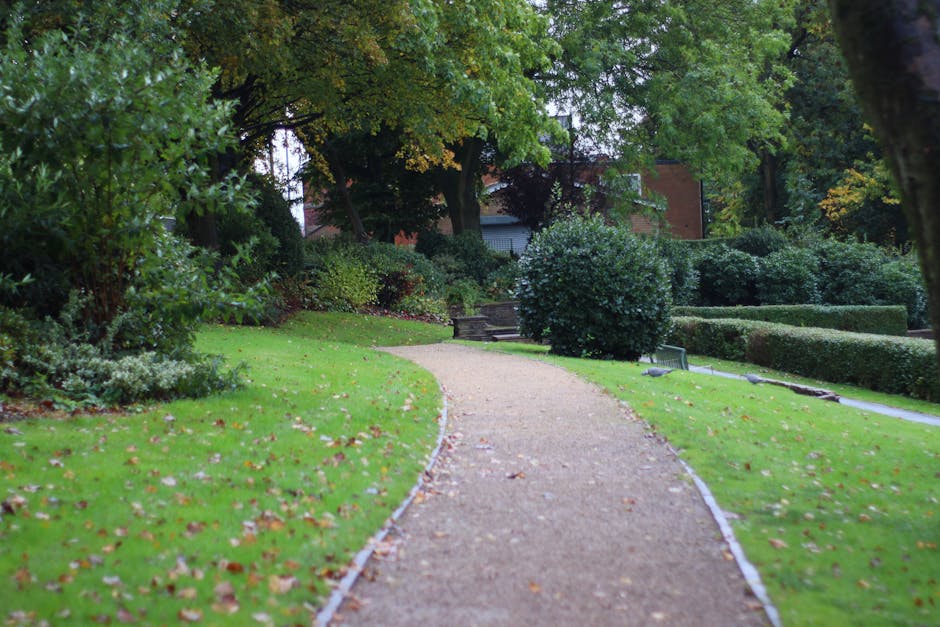
Fox Lane garden renovations by Palmers Green gardeners

If you are weighing up Fox Lane garden renovations by Palmers Green gardeners, you are probably trying to turn a tired outdoor space into something that actually works for everyday life. Maybe the lawn has become patchy, the beds are overcrowded, the fence line feels messy, or the whole garden just looks a bit stuck in time. That's normal. Gardens in this part of North London often need a careful balance of design, structure, and practical upkeep, not just a quick tidy-up.
This guide walks through what a proper renovation involves, why it matters on Fox Lane, how the process usually works, and what to look out for before you spend money. We will also cover common mistakes, useful comparisons, compliance points, and a realistic checklist so you can plan with confidence. No fluff. Just the stuff that helps.
Quick expert summary: A good garden renovation should make your outdoor space easier to use, easier to maintain, and better looking all year round. If it does not improve at least two of those things, it probably needs a rethink.
- Why Fox Lane garden renovations matter
- How the renovation process works
- Key benefits and practical advantages
- Who this is for and when it makes sense
- Step-by-step guidance
- Expert tips for better results
- Common mistakes to avoid
- Tools, resources and recommendations
- Law, compliance and best practice
- Options, methods and comparison
- Case study or real-world example
- Practical checklist
- Conclusion
- Frequently asked questions
Why Fox Lane garden renovations by Palmers Green gardeners Matters
Fox Lane gardens can vary a lot. Some are compact and shaded, some are long and narrow, and some have older structures that have been patched together over time. That means renovation is rarely just about making things "look nicer". It is usually about solving a handful of practical problems at once.
A neglected or awkward garden tends to create small frustrations every week. Water sits where it should not. Plants outgrow their space. Lawns thin out. Timber features go soft at the edges. And before long, using the garden starts to feel like work. That is where a proper renovation helps. It resets the space so it matches how you actually live.
Local gardeners who understand Palmers Green conditions can be especially useful here. Shade from mature trees, seasonal damp, compacted soil, and the reality of London garden access all shape what works. A design that looks lovely on paper can fail if it ignores the site. Truth be told, that happens more often than people think.
Renovation also matters because it is easier to get right in stages than to keep patching up the same problems. A smart plan can improve drainage, layout, planting structure, and maintenance all together. That saves time later. And yes, it usually saves money too, because you are not undoing bad choices every six months.
If your garden is crying out for a broader transformation rather than just routine care, it may help to look at the wider services overview first, then map out the parts that need the biggest lift.
How Fox Lane garden renovations by Palmers Green gardeners Works
Most renovations follow a fairly sensible sequence, although every site is different. The point is to avoid guessing. You begin with the garden as it is, not the garden you wish it were on a good day in May.
First comes the assessment. This usually includes looking at the condition of the lawn, hard landscaping, boundaries, planting, existing features, and access. A good assessment also checks for hidden issues such as poor drainage, compacted ground, invasive roots, or unsafe timber. Sometimes the messy bit is what you can see. Sometimes it is the stuff underneath.
Next comes clearance and preparation. This might involve removing dead growth, old structures, waste material, and anything no longer serving the design. If the site has become cluttered, a professional garden clearance stage can create a clean slate without ripping out anything useful.
Then the renovation itself begins. That could include reworking beds, replacing turf, installing edging, reshaping levels, improving drainage, rebuilding a path, laying new decking, or creating a more coherent planting scheme. For some homes, a simple restructuring of the space is enough. For others, there is a bigger design-and-build element, which is where experienced landscape gardening knowledge really earns its keep.
Finally comes finishing and maintenance planning. This is the bit people skip, and then wonder why the garden looks tired again by autumn. A renovated garden still needs care, especially in the first year. A plan for mowing, trimming, feeding, and seasonal upkeep makes the result last.
In practical terms, the process often feels a bit like refurbishing a room in the house. You clear, repair, rebuild, then dress the space so it functions properly. Except outdoors, the weather gets a vote. Annoying, but there it is.
Key Benefits and Practical Advantages
A well-planned renovation does more than improve appearances. It changes how the garden behaves and how easy it is to live with day to day. That is the real value.
- Better use of space: Small or awkward gardens become more functional when circulation, seating, planting, and storage are arranged with purpose.
- Lower maintenance pressure: Replacing overgrown borders with manageable planting and clear structure can reduce weekly effort.
- Improved safety: Uneven surfaces, weak fences, unstable timber, and congested paths are easier to spot and fix during renovation.
- Healthier planting: Better soil preparation, light levels, and spacing mean plants are more likely to thrive instead of struggle.
- Stronger property presentation: A tidy, well-shaped garden tends to make the whole home feel better cared for.
- More reliable outdoor living: If you want to sit out, dine, or let children play outside, the space needs structure and balance.
There is also a quieter benefit: peace of mind. When the garden is properly laid out, you stop noticing all the little things that used to niggle at you. The wonky path. The muddy corner. The bed that always looked untidy no matter how much you pruned it. That mental relief is not trivial.
For many homes, a renovation also creates a better foundation for ongoing maintenance. If you want to keep things simple after the main work, you can pair the project with regular garden maintenance so the space does not drift back into chaos. It happens quickly, honestly.
Who This Is For and When It Makes Sense
This kind of project is not just for people with huge gardens or elaborate design plans. In fact, it is often most valuable for ordinary homes where the outdoor space has become a bit difficult to enjoy.
You may be a good fit if:
- your garden has become overgrown, tired, or uneven
- the layout no longer suits how your household uses the space
- you have inherited a garden that needs modernising
- you want to improve kerb appeal before selling or letting
- you are tired of spending weekends trying to keep things under control
- you want a cleaner, more structured outdoor area with proper features
It also makes sense if you have specific frustrations. Maybe the lawn dies back every summer because the area is too shady. Maybe the hedge grows in a way that blocks light and swallows the path. Maybe the side return is just wasted space. These are all classic renovation triggers.
To be fair, not every garden needs a full redesign. Sometimes the best move is targeted improvement: lift the canopy, clear the clutter, re-edge the beds, and put proper structure back in. A skilled gardener should be able to tell you when a lighter touch is enough. If they suggest a big overhaul for a minor issue, that's a conversation worth slowing down.
Step-by-Step Guidance
If you are planning work on Fox Lane, it helps to think in phases. That keeps decisions manageable and reduces the risk of expensive detours.
- Walk the garden slowly. Look at it in the morning, late afternoon, and after rain if you can. Notice where water gathers, where the light falls, and where you naturally walk.
- Identify the problems. Separate the visual issues from the structural ones. Overgrowth is one thing. Poor access, bad drainage, and unstable features are another.
- Decide what to keep. A renovation does not always mean stripping everything out. Mature shrubs, healthy trees, or a solid patio base may be worth preserving.
- Clear what no longer works. This may include waste, dead planting, rotting timber, broken edging, or awkward features that eat up space.
- Sort the ground first. If levels, drainage, or soil quality are poor, fix them before adding decorative elements. Skipping this step is one of the fastest ways to regret a project.
- Build the structure. Paths, seating areas, timber features, borders, and lawn shapes should be decided before the planting detail goes in.
- Add planting with purpose. Choose plants that fit the light, shelter, and maintenance level you actually want. Not the fantasy version. The real one.
- Finish with a maintenance plan. Agree who will water, prune, mow, and check the space after completion. Even a beautiful garden needs routine attention.
A useful rule of thumb: do the boring practical work first. Once the bones of the garden are right, the prettier bits usually fall into place much more easily. It sounds obvious, but people forget it when they get excited about plant colours and paving samples.
Expert Tips for Better Results
There are a few habits that tend to separate decent results from really good ones.
1. Respect the light. A sunny pocket in the morning may be shaded by mid-afternoon. Watch how light moves across the garden before choosing plants or placing seating. One seemingly small shadow can change everything.
2. Keep circulation simple. If people have to squeeze past borders or step awkwardly around features, the layout is wrong. Paths should feel obvious, not like a puzzle in a muddy garden centre.
3. Don't overplant. It is tempting to fill every gap. Resist that urge. Plants need room to mature, and crowded beds are harder to maintain. A little breathing space now saves a lot of pruning later.
4. Match materials to use. Timber decking, gravel, paving, and sleepers all have different maintenance needs. If the family is heavy on foot traffic, pets, or muddy shoes, choose materials accordingly. A lovely surface that becomes a maintenance headache is not a win.
5. Think about the next three seasons, not just the next weekend. Gardens change with weather. The design should still work in damp winter months, high summer, and that awkward in-between period when everything is either soggy or leggy.
6. Keep an eye on access. On narrow London plots, moving materials in and waste out can shape the method as much as the design. Planning access properly avoids delays and damage. Small point? Not really. It can be the difference between a smooth job and a messy one.
If your redesign includes structural features, it may also be worth reviewing decking services and landscaping options as part of the wider plan, especially where the garden needs different zones.
Common Mistakes to Avoid
Most renovation problems come from rushing the planning stage or assuming the garden will "sort itself out" once the new bits go in. It usually doesn't.
- Ignoring drainage: Waterlogged soil or poorly graded surfaces can undermine even the best design.
- Choosing plants for looks only: Beautiful plants that hate the site will look good for about five minutes.
- Underestimating maintenance: A high-maintenance scheme can become a burden very quickly.
- Skipping waste removal: Old debris, roots, and failed materials can clutter the new layout and make future work harder.
- Overcomplicating the design: Too many materials, features, or levels can make a modest garden feel cramped.
- Forgetting boundaries and neighbours: Hedges, fences, and tree work need sensible handling so the garden remains tidy and practical.
One common slip is focusing so hard on the new feature that the rest of the garden gets left behind. A deck without planting balance looks stark. A planted border without access feels awkward. The whole thing needs to hang together. Simple, but not always simple in practice.
If you have boundary growth or overhanging greenery, services like hedge trimming and tree lopping and removal can be part of the overall improvement plan, provided the work is suitable for the site and carried out carefully.
Tools, Resources and Recommendations
You do not need a shed full of specialist gear to understand or plan a renovation, but a few practical tools and working methods make a real difference.
| Tool or resource | What it helps with | Why it matters |
|---|---|---|
| Measuring tape and sketch plan | Garden layout and feature sizing | Prevents overfilling the space |
| Camera or phone photos | Before-and-after comparison | Helps you track decisions honestly |
| Soil test kit or visual soil assessment | Ground condition and planting choice | Reduces planting failures |
| Simple maintenance schedule | Ongoing care after the build | Keeps the garden from sliding backwards |
| Professional quote comparison | Scope, method, and cost clarity | Helps you compare like with like |
For practical decision-making, it helps to review pricing and quotes early, not after you have already pictured the finished space in your head. That way, the ideas stay grounded.
You may also want to explore the company's approach to recycling and sustainability. Renovation projects often create a lot of organic and inert waste, and a responsible disposal plan is part of doing the job properly.
Law, Compliance, Standards, or Best Practice
Garden renovations are often straightforward, but there are still legal and safety considerations to keep in mind. This is especially true where trees, boundaries, access, waste, or structural features are involved.
In the UK, tree work can be affected by ownership, preservation status, or protected areas, so it should not be treated casually. Likewise, some boundary structures may involve shared responsibility, and it is wise to check before making assumptions. If in doubt, pause and verify rather than hacking away first and asking questions later. That is rarely the winning strategy.
Best practice also matters. Safe handling of tools, careful waste removal, and sensible staging of work reduce the risk of accidents and damage. A good contractor should be clear about method, access, and site safety. If the team is using machinery, removing heavy materials, or working around tricky slopes, the safety plan needs to be real, not just a box ticked on a clipboard.
You can also ask how the business approaches insurance, public liability cover, and site safety procedures. A professional outfit should be able to speak plainly about these things. If the answer is vague, that is worth noticing. A garden renovation is still a working site.
It may also help to review the company's health and safety policy and insurance and safety approach if you want extra reassurance before work begins.
Options, Methods, or Comparison Table
There is more than one way to renovate a garden. The right method depends on budget, urgency, and how much change you actually want.
| Approach | Best for | Typical strengths | Possible drawbacks |
|---|---|---|---|
| Light refresh | Gardens that are sound but untidy | Quick improvement, lower disruption | May not solve deeper layout issues |
| Targeted renovation | Spaces with a few major pain points | Balanced cost and impact | Requires clear prioritisation |
| Full redesign | Gardens with poor structure or major wear | Biggest transformation, best for long-term use | More time, more planning, more disruption |
| Staged renovation | Projects spread over time | Flexible for budgets and busy households | Needs careful sequencing to avoid rework |
In many Fox Lane homes, the strongest option is not the grandest one. It is the one that clears the bottlenecks first: poor access, messy layout, weak planting structure, and any features that are frankly beyond saving. From there, you can build up sensibly.
A useful comparison point is whether the result will reduce future maintenance. If the answer is yes, the renovation is probably pulling its weight. If the answer is no, you may be paying for a prettier headache.
Case Study or Real-World Example
Here is a realistic example from the kind of work often needed on streets like Fox Lane. A family had a back garden that looked usable at first glance, but the reality was different: a patchy lawn, congested borders, broken edging, and a dark corner that stayed damp most of the year. The space was technically fine. It just did not feel inviting.
The renovation approach was simple but disciplined. First, the overgrowth and old debris were cleared. Then the layout was tightened up so movement through the garden made more sense. The turf area was reduced slightly to a shape that was easier to mow and maintain. A clearer boundary line was created, and planting was rethought to suit the shade rather than fight it.
Nothing flashy. No dramatic gimmicks. But the change in how the garden felt was immediate. The family could step outside without seeing chores everywhere. The space started to work for sitting, playing, and general day-to-day use. And because the structure was cleaner, maintenance became less of a weekend battle.
That is the sort of result people are usually after, even when they say they want "a nicer garden". What they often mean is: make it usable, make it calm, and please make it stop nagging at us every time we look out the kitchen window.
Practical Checklist
Use this checklist before you start. It keeps the project grounded.
- Have I identified the main problem areas clearly?
- Do I know what should be kept, repaired, or removed?
- Has drainage or ground condition been considered?
- Do I want a light refresh, targeted renovation, or full redesign?
- Have I thought about maintenance after the work is finished?
- Are the chosen plants suited to the light and soil conditions?
- Do I understand any safety or boundary issues?
- Is the access route for materials and waste realistic?
- Have I checked whether any tree or structural work needs extra care?
- Have I reviewed quote details so I can compare them properly?
Small but useful reminder: if you can answer all ten, you are in much better shape than most people who jump straight to buying paving samples online at 11pm. We have all been there.
Conclusion
Fox Lane garden renovations by Palmers Green gardeners are about much more than a cosmetic tidy-up. Done properly, they turn a difficult, cluttered, or underused garden into a space that feels easier to live with and more enjoyable to step into, even on a grey Tuesday morning when the bins are out and the sky is doing its usual London thing.
The strongest renovations start with honest assessment, clear priorities, and practical choices about layout, planting, materials, and maintenance. If you keep those things in mind, the result is far more likely to last and feel right for the way you live.
In other words: design for the garden you have, not the garden you wish you had after a perfect summer weekend. That small shift makes a big difference.
Get a free quote today and see how much you can save.
If you want to learn more about the team behind the work, take a look at the about us page, or if you are ready to talk through ideas, use the contact us page to start the conversation.
Frequently Asked Questions
What does garden renovation usually include?
It can include clearance, replanting, turfing, edging, path or deck improvements, layout changes, hedge or tree work, and a maintenance plan. The exact mix depends on the condition of the garden and what you want it to do.
How do I know if my Fox Lane garden needs renovation or just maintenance?
If the main issue is routine tidying, mowing, or trimming, maintenance may be enough. If the space feels poorly laid out, overgrown, damaged, or difficult to use, renovation is usually the better route.
Can a small garden still be renovated properly?
Absolutely. Small gardens often benefit the most from careful renovation because space has to work hard. A better layout, less clutter, and the right planting can make a small garden feel much more useful.
How long does a typical renovation take?
That depends on the size of the garden, the amount of clearance needed, and whether structural work is involved. A light refresh can be relatively quick, while a full redesign naturally takes longer. The scope matters more than the calendar, really.
Will renovation mean removing all my plants?
Not necessarily. Good renovation often keeps healthy and useful planting, especially mature shrubs or trees that suit the space. The aim is to improve the whole garden, not wipe everything out for the sake of it.
What should I ask before agreeing to the work?
Ask what is included, what happens to waste, whether access needs special arrangements, how safety is managed, and how the final stage will be maintained. Clear answers early on save hassle later.
Is garden renovation disruptive?
Usually, yes, at least for a short period. There may be noise, materials, mud, and general site activity. A good plan reduces disruption by sequencing the work carefully and keeping the project organised.
Do I need to worry about trees or large hedges?
Yes, if they are part of the renovation area. Tree and hedge work can change light, privacy, and safety quite a lot. It is best handled as part of the overall plan rather than as an afterthought.
How can I make sure the new garden stays tidy?
Build maintenance into the project. Simple planting, realistic lawn areas, clear edges, and routine care all help. Ongoing lawn mowing and seasonal garden care can make a huge difference.
What is the best first step if I am not sure where to begin?
Start with a walk-through of the garden and list the three biggest problems. Then decide what you want the space to feel like after the renovation. If needed, review the wider services overview so you can match the work to the outcome you actually want.
Can renovation be done in stages?
Yes, and for many households that is the smartest approach. You might begin with clearance and structure, then move to planting and finishing touches later. Staged work can make budgeting and decision-making much easier.
How do I compare quotes fairly?
Compare like with like. Check what is included, what materials are specified, how waste is handled, and whether follow-up maintenance is mentioned. If you want a useful starting point, the pricing and quotes page is the right place to begin.